So, what exactly is land clearing? At its heart, it’s the process of taking a piece of property and removing all the trees, brush, stumps, and anything else standing in the way. It’s the critical first step that turns an overgrown, unusable plot into a clean slate, ready for whatever you have planned—be it construction, farming, or landscaping.
Unlocking Your Property’s Potential
Think of your property as a blank canvas just waiting for you to bring your vision to life. Land clearing is the foundational work that gets that canvas ready, making all your future projects possible. It’s so much more than just knocking down trees; it’s a strategic process that ensures your land is safe, accessible, and perfectly suited for its new purpose.
Without it, trying to build a home, plant crops, or even just create a safe backyard is nearly impossible. This initial phase really does set the stage for everything that comes next. Proper clearing creates a stable, buildable surface, gets rid of potential hazards from overgrown vegetation, and ultimately boosts the overall usability and value of your land.
Primary Reasons for Clearing Land
While every project is different, most land clearing jobs fall into a few key categories. Understanding the “why” behind the work is crucial because it helps clarify the end goal and determines the best way to get there. Landowners here in Central Florida and beyond typically clear their property for some very practical reasons.
Here are the most common objectives:
- New Construction: Before you can build a new home, commercial building, or any other structure, you need a site that’s completely cleared and graded to create a solid foundation.
- Agricultural Use: Farmers and ranchers clear land to open up new pastures for livestock, plant fields for crops, or establish orchards and tree farms.
- Safety and Fire Prevention: In areas prone to wildfires, clearing out dense, overgrown brush and creating strategic firebreaks is a critical safety measure to protect homes and property.
- Improved Accessibility and Use: Sometimes, the goal is simply to reclaim overgrown parts of a property to create more usable space for recreation, walking trails, or general landscaping.
Ultimately, what is land clearing? It’s the bridge between raw, untamed land and a functional, valuable asset. It’s the process that turns a vision for a property into a tangible reality, whether that’s a new home, a productive farm, or a safer environment.
Each of these goals requires a slightly different game plan. For example, clearing for a home foundation is an intensive process that takes everything right down to the bare soil. On the other hand, creating a firebreak might just involve selectively thinning trees and removing the underbrush to reduce the fuel load while keeping the larger ecosystem intact. By figuring out the end goal first, you can make sure the clearing process is both efficient and effective, laying the perfect groundwork for whatever comes next.
Choosing the Right Land Clearing Method
So, you know why you need to clear your land. The next big question is how. Getting this right isn’t just about speed; it’s about picking the perfect tool for the job. You wouldn’t bring a sledgehammer to a detailed woodworking project, and the same logic applies here—the method has to fit your property and your ultimate vision.
The most common approaches run the gamut, from eco-conscious techniques that actually feed the soil to brute-force methods built for massive development. Each one comes with its own set of tools, costs, and effects on the land.
This infographic gives a quick breakdown of the main reasons people start clearing land in the first place.
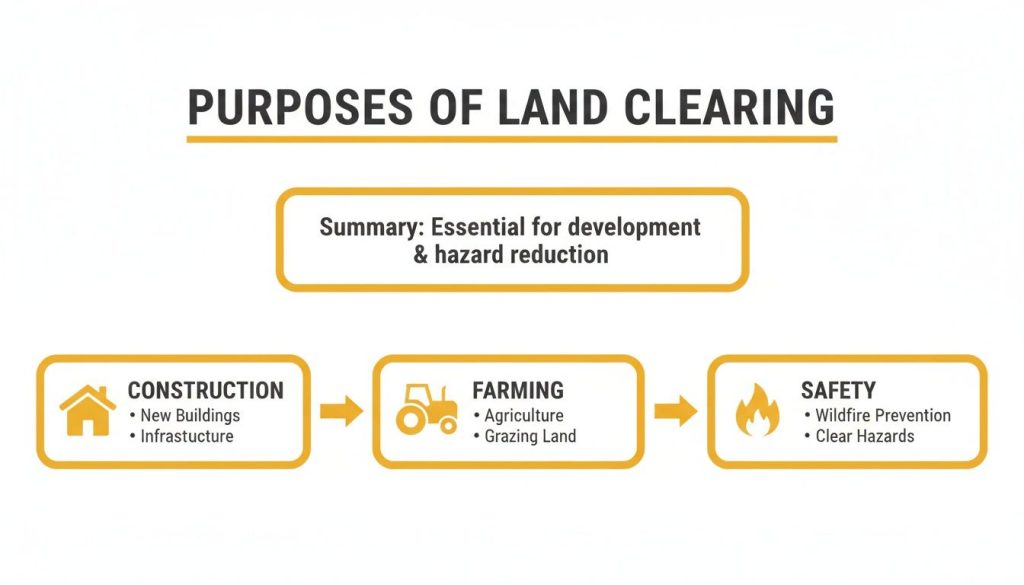
Whether you’re prepping a lot for your dream home, carving out more space for crops, or trying to lower your wildfire risk, your end goal is what will steer you toward the best clearing strategy.
Forestry Mulching: The Eco-Friendly Approach
Forestry mulching has become a go-to method for a reason—it’s incredibly effective and sustainable. Specialized machines move through the property, grinding up trees, brush, and overgrowth right where they stand. All that vegetation is turned into a natural layer of mulch and spread evenly across the ground.
What people love about this technique is how gentle it is on the soil. Instead of scraping away the precious topsoil, mulching leaves the root systems intact, which is huge for preventing erosion. That fresh layer of mulch also locks in moisture, keeps weeds from popping up, and slowly breaks down to feed the soil with rich organic matter.
Forestry mulching is often the best choice for selective clearing, trail creation, and habitat restoration, as it clears unwanted vegetation without leaving behind large piles of debris to be hauled away or burned.
If you’re curious about the nuts and bolts of how this works, you can learn more about what is forestry mulching in our practical explainer.
Mechanical Clearing and Bulldozing
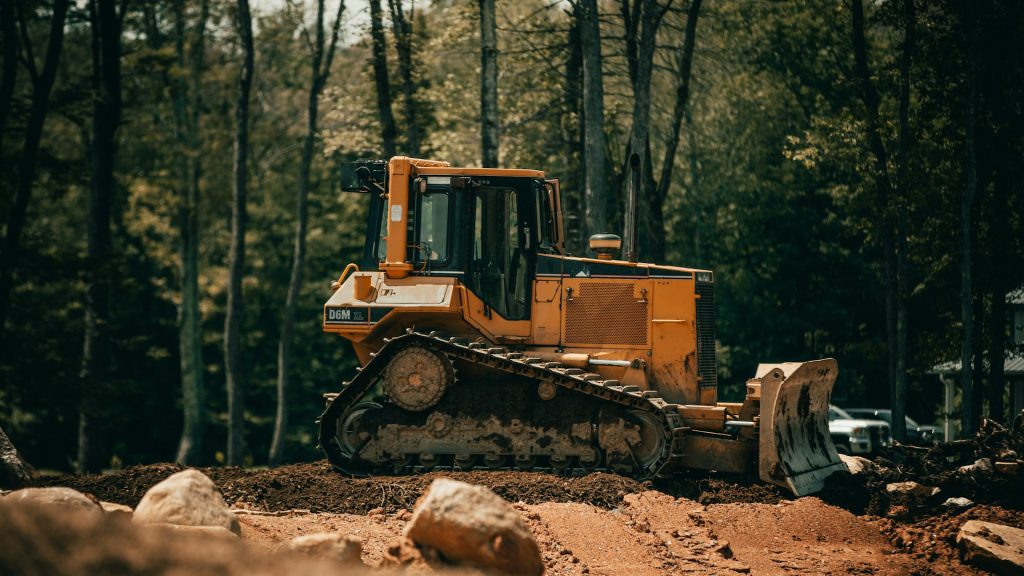
When you need a completely blank canvas for a large-scale project, bulldozers and excavators are the heavy hitters. This is the raw power option. Heavy machinery pushes over trees, rips out stumps, and scrapes the land clean, right down to the dirt.
This method is undeniably fast and gets the job done for major construction sites, like new housing developments or commercial centers where the entire landscape is going to be reshaped anyway. But it definitely has its downsides.
- High Soil Disturbance: Bulldozing causes serious soil compaction and strips away the topsoil, which can create major erosion problems down the line.
- Debris Management: You’re left with enormous piles of trees, stumps, and brush. All of that has to be either burned or hauled off-site, which adds to the final bill.
- Permitting: Because it’s so invasive, this method often triggers the need for more complex and extensive permits.
This approach is really best for projects where the end goal is a total transformation of the land, starting from a fresh foundation.
A Quick Comparison of Methods
To help you see how these techniques stack up, here’s a straightforward comparison. Each method shines in different situations, and understanding the trade-offs is key to making the right call for your property.
Comparison of Land Clearing Methods
| Method | Best For | Typical Speed | Environmental Impact | Key Benefit |
|---|---|---|---|---|
| Forestry Mulching | Selective clearing, habitat restoration, fire breaks, trail cutting. | Moderate | Low; improves soil health. | No debris piles; enriches soil. |
| Bulldozing | Large-scale construction, new developments, complete site prep. | Fast | High; causes soil compaction and erosion. | Clears large areas quickly for grading. |
| Stump Grinding | Removing individual stumps after tree removal without soil disruption. | Slow (per stump) | Very Low; targets a specific area. | Precise removal with minimal site damage. |
| Controlled Burning | Large-scale ecosystem management and wildfire risk reduction. | Very Fast | Varies; can be beneficial for native ecosystems. | Cost-effective for huge tracts of land. |
Ultimately, the “best” method is the one that aligns with your budget, timeline, and long-term plans for the land while respecting local environmental regulations.
Other Specialized Methods
Beyond the big two, a few other methods are used for specific situations. Controlled burning, also known as a prescribed fire, is a powerful tool for restoring natural ecosystems and managing huge properties. It’s highly effective but demands expert planning, supervision, and the right permits.
For the most delicate jobs, like working in environmentally sensitive areas, selective manual clearing is the way to go. Using chainsaws and hand tools, crews can remove specific invasive plants or targeted trees with almost zero impact on the surrounding soil and vegetation. It’s slow and meticulous, but sometimes that’s exactly what the land needs.
Weighing the Benefits and Risks
Deciding to clear your land is a huge step. It’s the kind of decision that can unlock a property’s true potential, but it also comes with a heavy dose of responsibility. Think of it like preparing a garden bed for new seeds—done right, you get amazing results, but a sloppy job can create problems that stick around for years. Getting a handle on both the good and the bad is crucial for making a smart, sustainable choice for your land.
The most obvious win is creating usable space. An overgrown lot is basically locked potential. Clearing it out turns that tangled mess into a blank canvas, ready for a new home, a productive pasture, or even just a safe, open yard for the kids to run around in.
The Clear Advantages of Land Clearing
Beyond just making room, clearing your property brings real, tangible returns on your investment and genuinely improves the quality of your land. The value it adds shows up in more ways than one, from your bank account to your peace of mind.
Here are a few of the key benefits:
- Increased Property Value: Let’s be honest, a clean, accessible lot is way more appealing to potential buyers than an untamed jungle. Clearing can give your property’s market value and curb appeal a serious boost.
- Enhanced Safety: Overgrown brush and vegetation are a five-star resort for pests like snakes and rodents. It’s also a major fire hazard, especially during Florida’s dry seasons. Removing all that fuel makes your property a whole lot safer.
- Improved Soil Health: When it’s done the right way—especially with methods like forestry mulching—the process actually enriches the topsoil. It adds organic matter back into the ground, which helps stop weeds from taking over and keeps the soil from drying out.
- Better Accessibility: Clearing carves out paths and access points for vehicles, equipment, and people. It just makes the whole property easier to get around, manage, and enjoy.
These perks take a piece of land from being a passive chunk of real estate to an active asset, ready for whatever you have planned next.
Understanding the Potential Downsides
Now for the other side of the coin. It’s critical to know that land clearing, particularly when it’s done poorly, comes with real risks. The biggest concern, hands down, is the potential for soil erosion. When you strip away all the vegetation and tree roots that hold the soil together, that bare topsoil is left wide open to being washed away by rain or blown away by the wind. This not only degrades your land but can also send sediment running off into nearby creeks and lakes.
Another major risk is the loss of local biodiversity. Clearing land means removing the homes of local wildlife, everything from birds and insects to small mammals. A responsible approach is often selective, preserving mature trees and natural buffers to keep this impact as low as possible.
The goal of responsible land clearing isn’t just to scrape everything off the surface. It’s to reshape the land thoughtfully, balancing your development goals with environmental stewardship to prevent long-term damage.
Finally, changing the landscape can mess with natural water drainage. Without a solid plan, water that used to be soaked up by plants and trees can suddenly run off in huge volumes. This can lead to flooding or drainage headaches, not just for you but for your neighbors, too. A true professional will size up these risks beforehand and put strategies in place, like erosion control barriers, to manage them from the get-go.
Navigating Permits and Environmental Rules
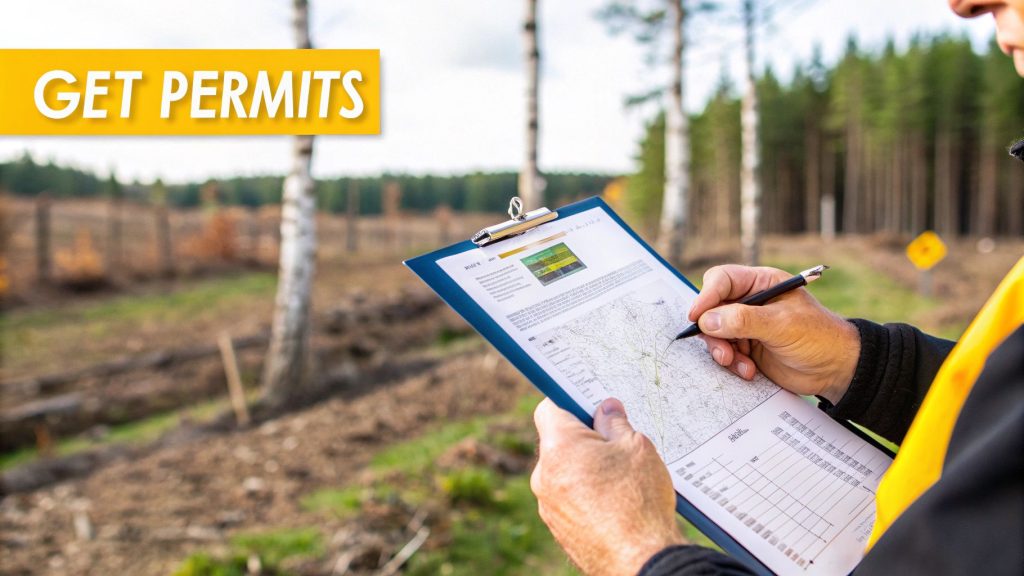
Before the first engine ever roars to life, some of the most critical work on a land clearing project happens on paper. You have to navigate the local legal and environmental landscape, and this isn’t just about dodging fines—it’s about being a responsible steward of the land and making sure your project moves forward without expensive delays.
Think of it as getting the blueprint approved before you start building. It protects you, your investment, and the local ecosystem.
Here in Central Florida, the rules for land clearing can change dramatically from one county to the next. These regulations are in place for good reason. Unsustainable practices have a massive global impact—in just one year, 8.1 million hectares of forest were destroyed worldwide, blowing past the targets set by global leaders. You can dig deeper into the global impact of deforestation over on globalissues.org.
That global perspective really drives home why our local rules are so important. They’re designed to stop the very things—like erosion and habitat loss—that feed into those larger environmental problems.
Understanding Local Ordinances and Zoning
The size and location of your project will dictate exactly which permits you need. The first step is always to check with your local municipal or county planning department to get a clear picture of what’s required.
You’ll commonly run into regulations like these:
- Tree Ordinances: Many areas protect specific types or sizes of trees, often called “specimen” or “heritage” trees. You might need a special permit to take one down, or you may be required to design your project around it entirely.
- Zoning Laws: These rules define how land in a certain area can be used, whether it’s residential, commercial, or agricultural. Your clearing plans absolutely have to line up with your property’s zoning designation.
- Wetland and Waterway Protection: If your property has or is even near wetlands, rivers, or lakes, you’ll face some strict rules. These are sensitive areas vital for wildlife and water quality, and clearing anywhere near them demands careful planning and specific permits.
The Permitting Process Explained
Getting a permit can sound intimidating, but it’s a pretty straightforward process once you know the steps. It typically involves submitting a site plan that lays out what you plan to clear, the methods you’ll use, and how you’ll manage potential problems like erosion.
The permitting process is your project’s first line of defense. It forces you to think through the long-term impacts of your work, ensuring that clearing activities don’t create future problems like soil runoff or drainage issues.
A knowledgeable contractor is your biggest asset here. They’ve been through the local process countless times and can guide you through the application.
After the clearing is done, it’s absolutely vital to put measures in place to protect the exposed soil. You can check out a practical guide to soil stabilization techniques to learn about effective ways to control erosion. Proper planning and following the rules ensure your project not only succeeds but also contributes positively to the local environment.
Budgeting for Your Land Clearing Project
Figuring out the budget and timeline for a land clearing project is just like planning a road trip. You have to know the distance you’re traveling (the acreage), the kind of road you’ll be on (the terrain), and any detours you might face (permits and regulations). Getting these details right from the start is the key to a smooth project.
There’s really no one-size-fits-all price tag for clearing land. The final cost depends on a handful of key factors that can swing the number one way or another.
Of course, the size of your property is a big one. But just as important is the density of the vegetation. Clearing an acre that’s lightly wooded will cost a whole lot less than tackling an acre packed with old hardwood trees and tangled underbrush.
Key Factors Influencing Cost
Every piece of land is unique, and those unique features are what shape the final quote. A good contractor will walk the property with you to see these things firsthand before giving you an estimate.
- Property Size and Accessibility: It’s simple—larger properties cost more to clear. But don’t forget about access. If a site is tough to get to, the cost of just getting heavy equipment in and out can add to the bill.
- Vegetation Density: What are we clearing? A field of saplings is one thing; a forest of mature oaks with deep root systems is another. The type, size, and sheer amount of vegetation are huge cost drivers.
- Terrain and Soil Conditions: Working on steep hills, rocky ground, or swampy, wet soil is a challenge. It demands specialized equipment and more time, which naturally drives up the cost.
- Chosen Clearing Method: Different methods come with different price structures. Forestry mulching, for example, is often priced differently than traditional bulldozing, which might have separate charges for hauling away all the debris.
For a much more detailed breakdown of what goes into the numbers, check out our guide on the cost of clearing an acre of land. It’s packed with specific examples and pricing info.
On average, you can expect the cost to clear land to fall somewhere between $1,400 and $6,200 per acre. That’s a huge range, and it really drives home why an on-site quote is the only way to get a truly accurate budget.
Getting a handle on pricing is crucial, whether you’re hiring a pro or trying to estimate your own costs. For a deeper look into the financial side of things, this comprehensive guide to pricing in construction projects is a fantastic resource. It’ll help you see the bigger picture and manage your project’s finances from start to finish.
Life After Land Clearing: What Comes Next
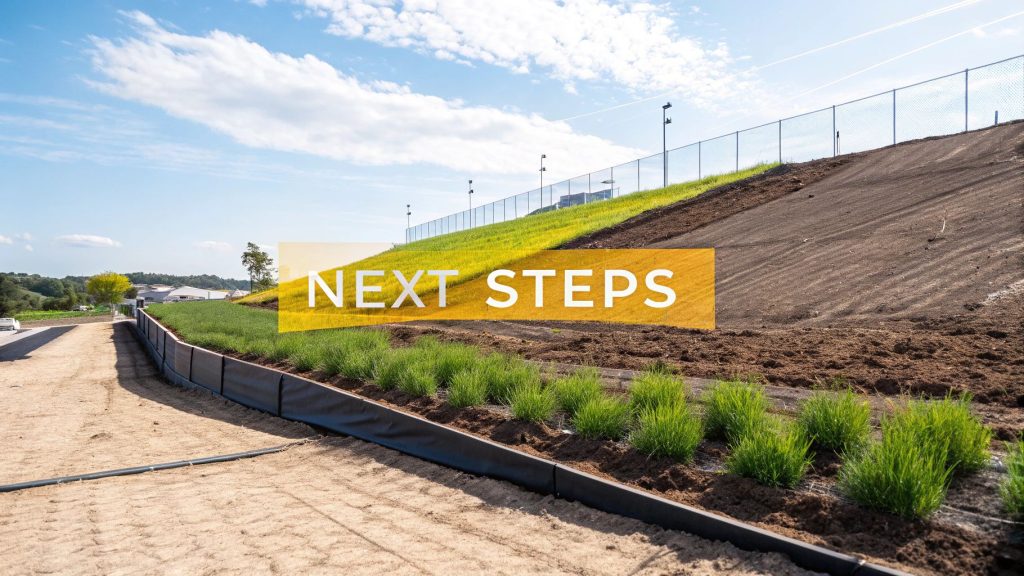
So, the heavy machinery has finally rumbled off your property, leaving behind a clean slate where an overgrown mess once stood. It’s a great feeling, but this is where the real work begins—the critical next steps that turn a cleared plot into a stable, healthy, and valuable piece of land for years to come.
Without a network of roots and vegetation holding everything together, your precious topsoil is completely exposed. This is why erosion control immediately becomes your number one priority. Think of it as insurance for your soil. You’ve just invested time and money into clearing the land; now it’s time to protect that investment from being washed away by one of Florida’s signature downpours.
Protecting Your Investment
A few simple, effective measures can make a world of difference in stopping soil loss and runoff in its tracks. These first steps are absolutely non-negotiable for preserving the integrity of your newly prepped site.
- Silt Fences: These are temporary fabric barriers installed along the contours of your land. They act like a filter, catching sediment from rainwater runoff and keeping your soil on your property where it belongs.
- Hydroseeding: A fantastic way to get quick ground cover. A slurry of seed, mulch, and fertilizer is sprayed directly onto the bare earth, kickstarting a root network that quickly binds the soil together.
- Erosion Control Blankets: For steeper grades or more vulnerable areas, these biodegradable mats provide instant protection from the elements, giving new grass and other vegetation a safe space to take root underneath.
Protecting your soil immediately after clearing is one of the most important steps in any project. It prevents the loss of valuable topsoil and sets the stage for healthy growth, whether you’re building a home or planting a pasture.
Preparing for the Future
With erosion under control, you can shift your focus to preparing the soil for whatever you have planned. This phase might involve grading the land to create the right slope for drainage or tilling the soil to get it ready for planting.
Finally, you’ll need a long-term plan for vegetation management. Unwanted brush and invasive species are always looking for an opportunity to reclaim their territory. To keep your land clear and usable, you’ll need a strategy, which could be anything from regular mowing to targeted herbicide applications.
Once the initial post-clearing work is done, you can start bringing your vision to life. This is the perfect time to learn how to design landscape plans and make the most of your newly transformed space.
Common Questions We Hear About Land Clearing
If you’re thinking about clearing land for the first time, you’ve probably got a lot of questions. That’s completely normal. Getting straight answers is the best way to feel confident about the process and your investment, so we’ve put together a few of the most common questions we get from landowners just like you.
One of the first things people want to know is how long it’s all going to take. While every property has its own unique quirks, the factors that shape the timeline are pretty consistent.
How Long Does It Take to Clear One Acre of Land?
Clearing a single acre can be a quick job or a multi-day project—it really depends. The timeframe can swing from just a few hours to several days, based on what’s on the land and the method we use.
For instance, if we’re using a forestry mulcher on an acre with light-to-moderate brush, we could be done in 4-8 hours. But if that same acre is covered in dense, mature hardwoods and stubborn stumps that need a bulldozer, the job could easily take 2-3 days. The lay of the land matters, too. Flat, open ground is always quicker to work on than a steep, rocky, or wet site.
Is It Cheaper to DIY or Hire a Professional?
It’s tempting to think about renting some equipment and saving a few bucks by doing it yourself. In reality, that plan often ends up being more expensive and a whole lot more dangerous. The rental costs for heavy machinery are steep, and operating them safely takes years of hands-on experience.
We always say that hiring a professional is the safer, more cost-effective route. A good contractor is insured against accidents, brings the right equipment to get the job done efficiently, and knows the local permitting laws inside and out. That protects you from costly fines and mistakes that could derail your entire project.
What Happens to All the Debris After Clearing?
Once the trees and brush are down, you’re left with a lot of organic material. With a method like forestry mulching, that material is chewed up and spread right back onto the soil. It creates a natural, protective layer of mulch that breaks down over time, feeding the ground and preventing erosion.
Other methods, like bulldozing, leave you with large piles of debris. From there, you have a few options. We can haul it all away, run it through a chipper to create usable landscaping mulch, or—if local regulations allow it—burn it on-site. The best path forward really comes down to your budget, your goals for the property, and what the local rules say.
Ready to get answers tailored to your specific project? The team at Palm State Clear Cut is here to offer expert guidance and provide a free, on-site quote to help you map out your next steps. Find out more at https://palmstateclearcut.com.