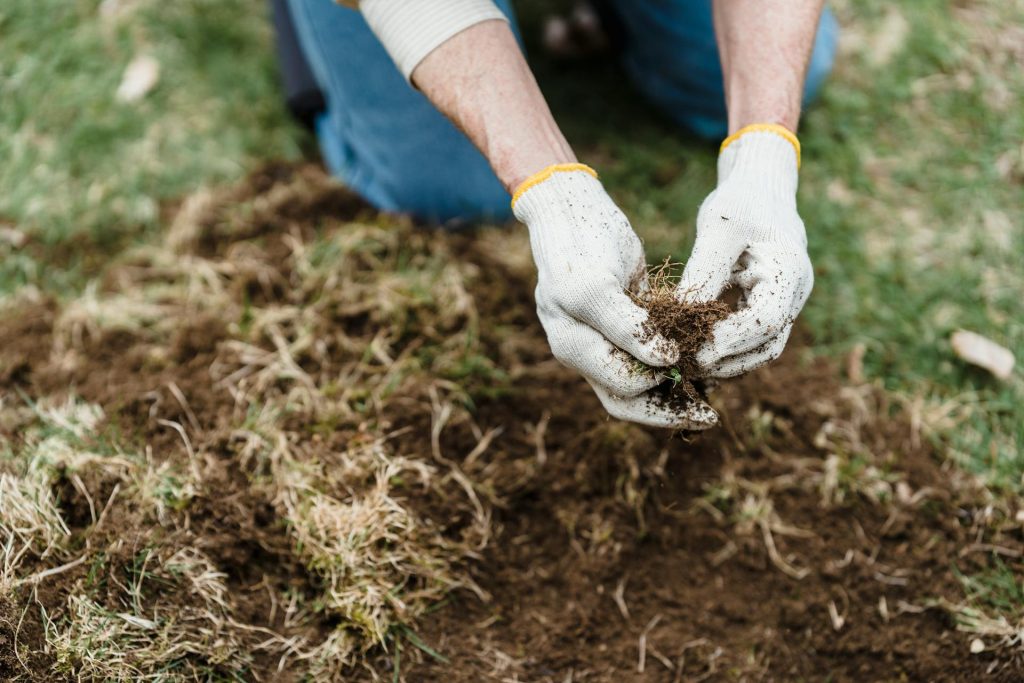
Before you even think about picking up a pair of loppers, the most important work happens. To successfully clear brush by hand, you need a solid plan. It’s about taking the time to walk the land, spot any hazards, and come up with a methodical approach to get the job done safely and efficiently. A little planning up front saves a ton of wasted effort—and potential dangers—down the road.
Laying the Groundwork for a Successful Clearing
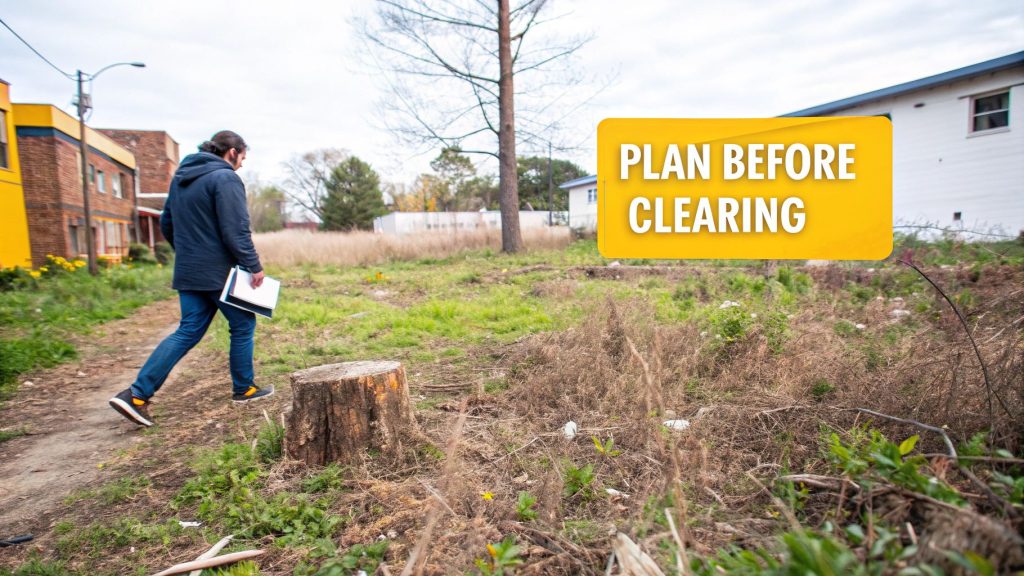
I get it. The urge to just dive in with a saw and start cutting is strong. But trust me, a few minutes of prep can save you hours of frustration later. A successful clearing project is built on careful assessment and smart strategy, which turns a chaotic task into something you can actually manage. This first phase isn’t about heavy lifting; it’s about smart thinking.
Your first step is simple: take a good, long walk around the property. You need to get a feel for the true scope of the project and identify any challenges hiding in that overgrowth. This little reconnaissance mission is the most important part of the whole process.
Defining Your Project Scope
First thing’s first: mark out the boundaries of the area you plan to clear. You can use flagging tape, small stakes, or even natural landmarks to create a clear visual outline. This is key to preventing “scope creep”—that all-too-common situation where a small weekend project slowly snowballs into an overwhelming, month-long ordeal.
As you walk, ask yourself a few questions to really nail down your goals:
- What’s the end game? Are you just clearing a simple walking path? Creating a defensible space for fire prevention? Or are you clearing a patch for a future garden or outbuilding?
- What has to go? Get a good look at the vegetation. Are you dealing with thorny vines, dense thickets of shrubs, or a bunch of small saplings? Knowing your enemy is half the battle.
- What should stay? Keep an eye out for desirable native plants or mature trees you want to keep. Marking them with a ribbon can save them from being accidentally chopped down in the heat of the moment.
Identifying Potential On-Site Hazards
Overgrown land is notorious for hiding things that can ruin your day. During your walkthrough, keep your eyes peeled for common hazards. You’ll want to spot any poison ivy, oak, or sumac, which can cause a nasty skin reaction that’ll stick with you for weeks.
Look down, too. Uneven ground, hidden stumps, and big rocks are perfect tripping hazards, especially when you’re carrying sharp tools. It’s also a good idea to watch for signs of animal habitats, like burrows or nests, so you can avoid any unwelcome surprises.
Key Takeaway: A detailed property walk is non-negotiable. It lets you map out your clearing zones, spot hidden dangers like poison ivy or unstable ground, and create a realistic timeline for the work ahead.
The practice to clear brush by hand is a time-honored method of land management, especially in rugged terrain where machines can’t go. This manual approach was essential for preparing vast areas of land for other uses throughout history. You can discover more about historical land use changes and U.S. deforestation statistics to see why responsible clearing is so vital. And for those looking for more specific techniques, our guide on how to clear land without heavy equipment offers a ton of valuable insights.
Assembling Your Manual Brush Clearing Toolkit
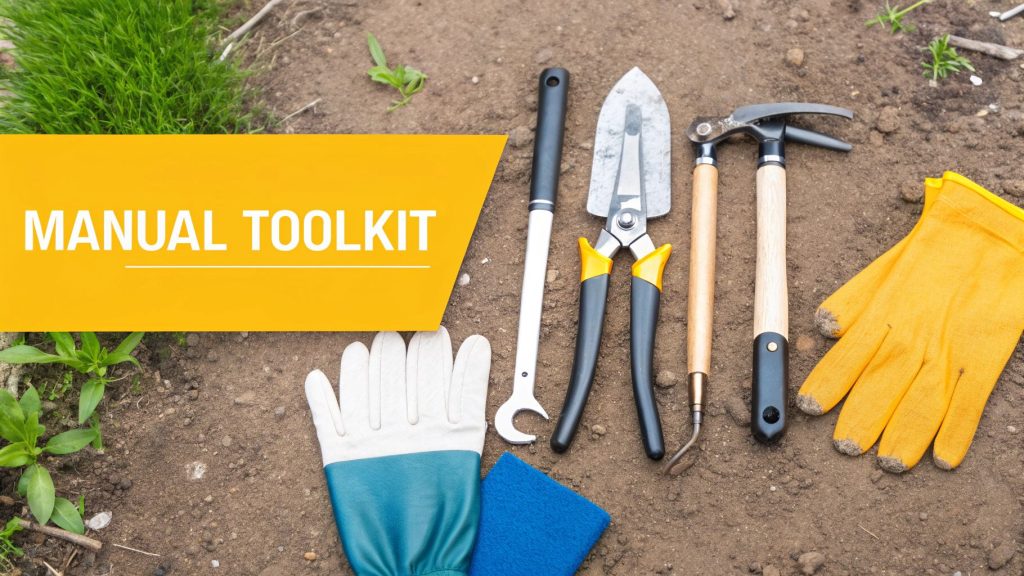
When you decide to clear brush by hand, your success really comes down to the tools you bring to the fight. The right gear can transform an exhausting, frustrating chore into a manageable and even satisfying project. You can forget about heavy machinery for now; with a few well-chosen hand tools, you can conquer some surprisingly dense overgrowth.
The trick is matching the tool to the specific kind of vegetation you’re up against. A flimsy pair of garden shears won’t make a dent in woody shrubs, and a massive axe is just overkill for light weeds. Building a versatile toolkit ensures you always have the right leverage and cutting power for whatever the job throws at you.
Core Cutting And Clearing Tools
Your primary tools are the ones that will handle the bulk of the cutting. If you start with these essentials, you’ll be well-equipped to tackle most brush-clearing scenarios right from the get-go.
- Bypass Loppers: These are your absolute workhorses. With their long handles, they give you excellent leverage for slicing through branches up to two inches thick. Unlike anvil loppers that crush stems, bypass loppers make a clean, scissor-like cut that’s much healthier for any plants you decide to keep.
- Pruning or Bow Saw: When you run into branches too thick for your loppers, a good saw is your next best friend. A bow saw is fantastic for felling small saplings, while a compact folding pruning saw is perfect for getting into those tight spaces inside a dense thicket.
- Brush Axe or Machete: For clearing wide swaths of non-woody vegetation or hacking through thick vines, you can’t beat the raw efficiency of a brush axe or machete. These tools excel at clearing a path quickly, making the area more accessible for more detailed, focused work.
Having the right tool for the right job is everything. Below is a quick breakdown of the essentials I recommend having on hand.
Essential Hand Tools for Clearing Brush
A comparison of common manual brush clearing tools, their primary uses, and ideal scenarios for effective land management.
| Tool | Primary Use | Best For | Pro Tip |
|---|---|---|---|
| Bypass Loppers | Cleanly cutting live branches and woody stems | Branches up to 2 inches thick, selective pruning | Keep the blades sharp. A dull blade crushes stems instead of cutting them, which can damage the plant. |
| Bow Saw | Felling small trees and cutting larger branches | Saplings and limbs 2-6 inches in diameter | Use long, smooth strokes. Let the saw do the work to avoid binding the blade in the wood. |
| Machete | Clearing soft, non-woody vegetation and vines | Tall grasses, briars, and tangled vines over a large area | Wear heavy-duty gloves. A good grip is crucial for both safety and effectiveness. |
| Mattock | Digging, chopping roots, and breaking up soil | Stubborn root systems, compacted soil, and trenching | Use the pick end to break up tough ground, then switch to the adze end to pull the soil back. |
Ultimately, a small but high-quality selection of these tools will handle 90% of what you’ll encounter on a typical residential property.
Tools For Groundwork And Root Removal
Cutting the brush down is only half the battle. You still have to deal with what’s at and below the surface. Stubborn roots and tangled ground cover require tools specifically designed for digging and prying.
A grub hoe or a mattock is invaluable for this phase of the project. A mattock is a true multi-tool, usually featuring a vertical axe blade on one side for chopping through roots and a horizontal adze on the other for digging and scraping soil away. This dual-function design saves you from constantly switching tools when you’re wrestling with a stubborn root system.
A common mistake I see is people trying to use a standard garden shovel for root removal. A sturdy mattock or grub hoe provides the necessary chopping power and leverage to break through tough, woody roots without bending or breaking your shovel.
For a deeper dive into tool selection, check out our detailed equipment for clearing underbrush guide to see what the pros use on their job sites.
Finally, don’t forget a heavy-duty steel rake and a good wheelbarrow. The rake is essential for gathering all the cut material into manageable piles, and the wheelbarrow will absolutely save your back when it’s time to haul all that debris away. Investing in quality tools from the start will pay you back in efficiency and durability every time.
Essential Safety Gear and On-Site Practices
Deciding to clear brush by hand is a big step. It’s rewarding work, but it’s also physically tough. Real success isn’t just about how much overgrowth you can remove; it’s about walking away at the end of the day without a single injury. I’ve seen it time and again: people get excited to start and overlook their personal protective equipment (PPE) or smart on-site habits. That’s a classic mistake that can lead to some pretty nasty, and totally preventable, accidents.
Think of your safety gear as your personal armor—it’s non-negotiable. Out there, you’re dealing with flying wood chips, razor-sharp thorns, and all sorts of hidden surprises on the ground. Your first job is to protect yourself from all of it.
Your Personal Protective Equipment Checklist
Before you even think about making that first cut, you need to do a full gear check. This isn’t about being paranoid; it’s about being a professional. Every piece of equipment has a critical job to do.
Here’s what you absolutely must have:
- Heavy-Duty Gloves: Don’t even try this without them. Good leather or reinforced synthetic gloves are your best friends, saving your hands from blisters, thorns, splinters, and nasty plant oils.
- Safety Glasses or Goggles: Your eyes are incredibly vulnerable. It only takes one stray twig or a whipping branch to cause serious, permanent damage. Don’t risk it.
- Long-Sleeved Shirt and Durable Pants: This is your shield against scratches, insect bites, and run-ins with plants like poison ivy. Stick with tough materials like denim or canvas.
- Sturdy, Over-the-Ankle Boots: Good boots are crucial. They give you ankle support on uneven ground and protect your feet from sharp stumps, hidden rocks, and the occasional dropped tool.
I can’t stress this enough: investing in quality PPE is the smartest money you’ll spend on this project. A $20 pair of safety glasses is a whole lot cheaper than an ER visit, and a good pair of boots can prevent a twisted ankle that puts you out of commission for weeks.
Maintaining Situational Awareness
Beyond the gear you wear, your mindset is probably your most powerful safety tool. You have to stay alert. When you get distracted or tired, that’s when accidents happen. As you clear away brush, the landscape changes, so you need to constantly scan your work area for new hazards that were hidden before.
A huge part of this is simply knowing your own limits. Pushing yourself into exhaustion is a recipe for disaster. Take frequent breaks, drink plenty of water (especially in the Florida heat!), and rest. If you start feeling dizzy or getting a headache, those are early signs of dehydration—stop what you’re doing immediately.
It’s interesting to look at the history here. Manual crews have always been essential for managing large tracts of land, carving out paths and creating firebreaks. Today, a team of 10 people can still clear 5-10 hectares a week by hand. And you know what? It’s often far safer than bringing in heavy machinery on rough terrain, which is responsible for 15-20% of land-clearing accidents. You can read more about global land use and historical forest trends to see just how impactful this kind of work has been over time.
Smart Techniques for Cutting and Removing Brush
Alright, you’ve got your tools sharpened and your safety gear on—now for the real work. The secret to clearing brush by hand isn’t about raw strength; it’s about working smarter, not harder. A good, methodical technique will save your back and prevent injuries, turning what looks like an overwhelming mess into a manageable project.
Instead of diving headfirst into the thickest part of the overgrowth, start on the edges and work your way in. This approach carves out a safe perimeter and gives you control. As you clear, you’ll uncover hidden hazards like stumps or uneven ground, rather than tripping over them in the middle of a dense thicket.
Work from the Top Down
When you’re face-to-face with a big, tangled shrub or a sapling, resist the temptation to just hack away at the base. That’s a classic mistake that will get you tangled up in a mess of branches. A far better strategy is the top-down method.
Start with your loppers and trim off the smaller, outer branches. This process, known as “limbing,” gets the clutter out of the way. It opens up your line of sight and gives you safe access to the main stems. With the smaller limbs gone, you can easily get your bow saw or heavy-duty loppers in there for a clean cut near the ground.
This simple workflow is a safe and effective way to tackle the job.
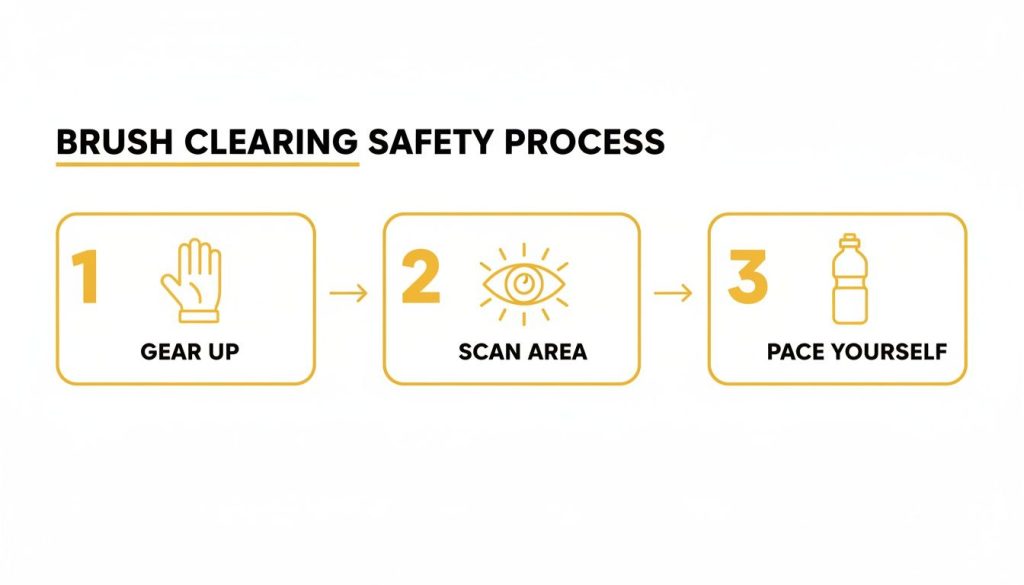
This process isn’t just a one-time checklist; it’s a continuous cycle of preparation, awareness, and pacing yourself throughout the day.
Use Leverage, Not Just Strength
One of the biggest physical tolls of clearing brush by hand is back strain. A lot of people try to muscle through cuts using just their arms and shoulders, which is a fast track to exhaustion and injury. The real secret is using your whole body and letting the tool’s design work for you.
- Loppers: When you hit a tough branch, don’t just squeeze. Plant your feet, keep your back straight, and use your body weight to help close the handles.
- Saws: Let the saw do the work. Focus on long, smooth strokes with steady, gentle pressure. Trying to force the blade will just make it bind up in the wood.
- Machetes: Power comes from a controlled snap of the wrist, not a wild swing. A sharp, fluid motion is much safer and more effective than hacking away.
Remember this: a sharp tool is a safe tool. A dull blade forces you to use excessive force, which dramatically increases the risk of slipping or losing your balance. Take five minutes to sharpen your blades before you start—your muscles will thank you for it.
Create Organized Debris Piles
As you cut, don’t just let branches and vines fall wherever they land. That creates a chaotic and dangerous worksite full of tripping hazards. Your best bet is to immediately move the cut material to a designated collection spot.
Try creating separate piles for different types of debris. You could have one pile for larger, woody branches that can be chipped or used for firewood, and another for smaller twigs and leaves destined for the compost bin. A little organization as you go makes the final cleanup phase worlds easier and more efficient. Working this way ensures you finish the job safely and with a lot less physical strain.
Handling Debris and Preventing Future Regrowth
Once you’ve cut down the last sapling, you might feel like the job is done. But really, you’re only halfway there. What’s left on the ground—that tangled mess of branches, leaves, and roots—is your next big challenge.
How you manage this debris and prevent aggressive regrowth is what separates a quick cleanup from a lasting improvement to your property. If you don’t have a plan for this final phase, a successful clearing project can quickly turn into a lingering chore. Fortunately, with the right strategy, you can handle the aftermath efficiently and make sure your hard work actually sticks.
Smart Options for Debris Disposal
So, what do you do with all those piles of brush you’ve created? Just letting them sit can become a serious fire hazard or just an ugly eyesore. The better move is to turn that debris into a valuable resource right on your own property.
- Chipping and Mulching: Renting a wood chipper for a day is often the most practical solution. It transforms bulky branches into a pile of nutrient-rich mulch in no time. You can then spread those fresh wood chips over the cleared area to help smother future weed growth. It’s a win-win.
- Composting: Don’t forget the small stuff. Leaves, twigs, and green vines are perfect fuel for a compost pile. Over time, they’ll break down into that dark, rich soil amendment that gardens absolutely love.
- Hügelkultur Beds: This is a fantastic permaculture technique you might want to try. You basically bury logs and larger branches under soil to create raised garden beds. As the wood decomposes, it slowly releases nutrients and holds onto moisture, creating a self-fertilizing and water-efficient spot for growing.
- Burning: In some areas, burning brush piles is an option, but this requires extreme caution. Always, and I mean always, check local fire regulations and restrictions first—they can change daily. Never burn on a windy day, and make sure you have a reliable water source on hand before you even think about striking a match.
Preventing Annoying Brush Regrowth
Clearing the surface is one thing, but stopping the brush from coming right back is another battle entirely. Most of your effort here needs to focus on the ground level, where stubborn roots and dormant seeds are just waiting for their chance to sprout.
Pro Tip: The best defense against regrowth is a good offense. Applying a thick layer of mulch—at least four to six inches—over the cleared area is the most effective, eco-friendly way to smother new shoots and block the sunlight that weed seeds need to germinate.
For certain persistent plants, you’ll have to get tough and remove the root systems by hand. It’s hard work, but necessary. A mattock or a grub hoe is your best friend for this, letting you chop and pry the main root ball right out of the soil. If you’re tackling a larger area and this sounds like too much back-breaking labor, you might be interested in our more extensive guide to land clearing and mulching.
While your small-scale project is focused on your property, it’s part of a much bigger picture. Clearing by hand is a major contributor to global land changes and is a widespread practice in smallholder farming. This method has impacted the 517 million hectares of tree cover loss tracked since 2000. While deforestation rates have thankfully slowed, roughly 10 million hectares are still cleared annually, often by hand in tropical regions where heavy machinery just can’t operate. You can explore more about these global forest loss trends to understand the broader context.
Frequently Asked Questions About Clearing Brush
Even with the best plan, questions always seem to pop up once you get your hands dirty and start to clear brush by hand. From the best time to tackle the project to how you should handle those stubborn, nasty plants, getting the right answers can save you a ton of time and frustration. Let’s dig into some of the most common questions we hear from landowners.
When Is the Best Time of Year to Clear Brush?
For most jobs, the sweet spot for clearing brush is late fall or winter. Think about it—the leaves are gone, the weeds have died back, and you can actually see what you’re doing. This gives you a much better view of the terrain and any hidden hazards, like stumps or holes, lurking underneath.
On top of that, the cooler weather makes the physical work a whole lot more bearable than sweating it out in the summer heat. Clearing during the dormant season is also more effective. Plants have less sap flowing, which means many of them are less likely to come roaring back to life in the spring. You’re giving yourself a real head start.
What Should I Do About Poison Ivy or Oak?
First rule of dealing with poisonous plants: Never burn poison ivy, oak, or sumac. Ever. The smoke carries the plant’s irritating oils (called urushiol), and breathing that in can cause a severe reaction in your lungs. It’s incredibly dangerous.
Your best bet is to remove it carefully by hand, and that means gearing up properly.
- Protect Yourself: Wear heavy-duty, disposable gloves over your regular work gloves. Don’t forget long sleeves, pants, and closed-toe boots to cover your skin.
- Cut and Bag It: Use a dedicated pair of loppers or pruners to snip the vines at their base. Carefully roll them up, trying not to touch them with your bare skin, and put them directly into heavy-duty trash bags for disposal.
- Decontaminate Everything: Once you’re done, carefully take off your clothes and wash them in a separate load. Your tools need a good cleaning, too—wipe them down thoroughly with rubbing alcohol to get rid of any lingering oils.
If you’re not 100% sure what a vine is, treat it like it’s poisonous. A little extra caution is way better than dealing with a miserable, itchy rash for weeks. If you do have a bad reaction, see a doctor right away.
How Do I Handle Extremely Stubborn Roots?
You’ll eventually run into a root system that feels like it’s anchored in concrete. When your mattock just isn’t cutting it, it’s time to bring in the bigger guns. A digging bar is a fantastic tool for this; its weight and length give you way more leverage to pry and break apart a tough root ball.
For those really deep taproots, you might want to look into a high-leverage tool called a root puller, sometimes known by brand names like the “Extractigator.” This thing is a real back-saver. It clamps onto the base of the plant and uses a long lever to yank the entire root system straight out of the ground with minimal digging. It’s a specialized piece of gear, but for fighting persistent invaders like buckthorn, it’s worth its weight in gold.
At Palm State Clear Cut, we get it—some projects are just too big to tackle on your own. If you’re looking at a sea of overgrowth in Central Florida and need a professional hand, our land clearing and forestry mulching services can reclaim your property safely and efficiently. Visit us online to get your free quote today at https://palmstateclearcut.com.