
Best Time of Year to Remove Trees Guide for Central Florida
- Mike Walker
- Dec 18, 2025
- 14 min read

Removing a tree in Central Florida isn’t just about swinging an axe—it’s about timing, soil conditions, wildlife cycles, and even cost. Aim for windows that work with nature rather than against it, and you’ll save time, money, and headaches down the road.
In Central Florida, the sweet spot falls in late winter to early spring when trees are resting and the earth stays firm. A close second? Fall after leaf drop, when you can see the landscape clearly and fight less disease spread.
Seasonal Tree Removal Overview
Timing a tree removal so it lines up with a tree’s biology—and our subtropical climate—makes every project smoother and safer.
Late Winter to Early Spring (Feb–Mar): Dormant trees mean minimal sap flow, while firm ground gives heavy equipment stable footing.
Fall After Leaf Drop (Oct–Nov): With bare branches, you get a clear view of hazards and reduce fungal risks before the wet season.
Bird Nesting (Apr–Jul): Regulations protect species like herons and ospreys, so keep this window in mind to avoid fines.
Pre-Hurricane Window (Jun–Aug): Clearing loose limbs ahead of storm season lowers risk—but watch for sudden downpours and soft soil.
Cost Variation: Rates often peak in late spring. Book during off-season months to see prices dip by up to 25%.
Planning within these periods also cuts erosion, extends your equipment’s life, and helps preserve local habitats.
This graphic walks you through each phase—from the initial site survey to the final cleanup—while highlighting critical safety checks along the way.
Below is a quick-reference table to help you zero in on the best season for your project. Use it to map out timelines, note special considerations, and adjust your plans.
Seasonal Tree Removal Summary
Season | Recommended Months | Advantages | Considerations |
|---|---|---|---|
Late Winter to Early Spring | Feb–Mar | Firm ground slows disease, improves access | Avoid heavy nesting season |
Fall After Leaf Drop | Oct–Nov | Clear visibility, less disease spread | Rain may soften soils |
Pre-hurricane Window | Jun–Aug | Hazard mitigation before storms | Soft ground and delays |
Year-round Emergency | All months | Any time for urgent removal | Higher cost in peak season |
Keep this summary at hand when you’re plotting out dates—small shifts can make a big difference in safety and cost.
Key Seasonal Considerations
Summer’s heavy rains spike your erosion risk—plan erosion controls if you’re working June through August.
Cooler months shrink cleanup time and cut back on herbicide needs, letting nature do more work for you.
By balancing weather patterns, nesting laws, and permit timelines, you’ll land on a schedule that’s predictable—and budget-friendly.
Partner with Palm State Clear Cut for a free quote and expert scheduling. Contact us early to lock in the best dates and rates. Get started today.
Understanding Tree Dormancy And Removal Timing
Winter trees are like cars parked in the garage: they’re going nowhere fast. In that quiet phase, sap slows to a crawl and roots lock in. That’s good news if you’re planning a tree removal in Central Florida.
Timing your cut to match the tree’s rest can mean smoother terrain for heavy equipment and a cleaner job site.
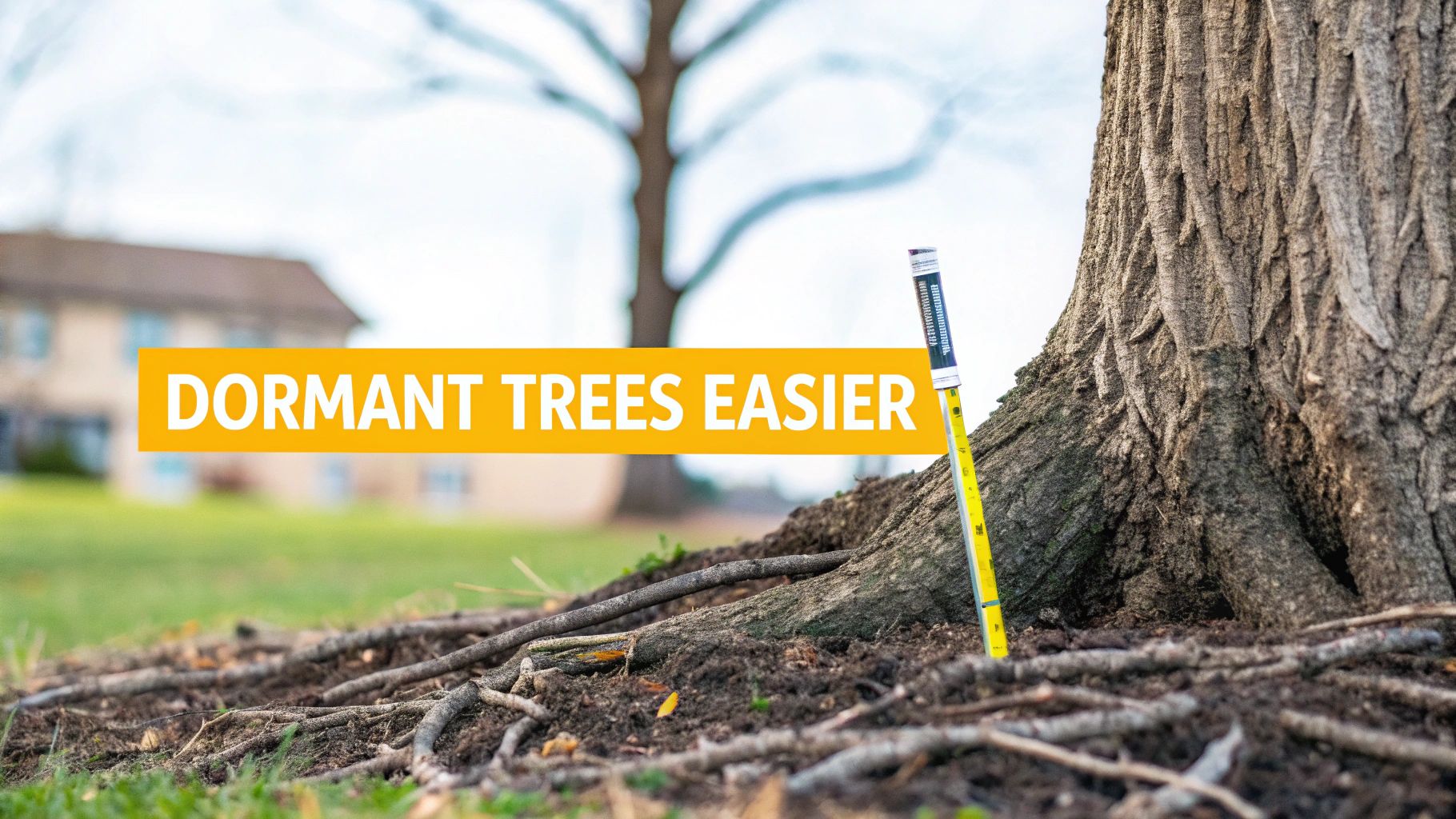
When the soil firms up, cranes and chippers won’t bog down. You’ll find access points easier and costs lighter on the wallet. Think of frozen or solid ground as a sturdy platform, boosting stability for every pass of the loader.
Sap Flow And Root Stability
As spring arrives, sap surges upward—nature’s wake-up call and a potential nuisance if you cut too soon. Sticky drips wind their way down limbs and can damage fragile wood. By contrast, late winter and early spring offer a sweet spot. Sap flow runs minimal, roots stay firm and the tree is fully dormant—stress on surrounding plants drops and disease spread shrinks to a minimum.
Winter removals can cut costs by 20-30% since solid ground lets equipment glide. According to industry surveys, that reduction can add up fast.
"Dormant-season removal reduces post-cut stress and simplifies cleanup," says arborist Sam Diaz.
In summer, soggy soils and incoming rains make a mess. Dormancy keeps mulch layers intact and nearby shrubs unscathed.
Disease Control And Ecosystem Health
When trees drop leaves, pests have nowhere to hide. Removing during dormancy slashes the chance of spreading fungi or bacteria. A dormant trunk is like a blank canvas—clean and free of unwanted guests.
Firm soil supports cranes and loaders
Low sap reduces messy drips and improves safety
Disease guard limits vectors and aids healing
Check out our guide on how to determine if your tree is truly dormant Read our homeowner guide on tree dormancy.
Factor | Dormant Season | Growing Season |
|---|---|---|
Soil Stability | High | Low |
Sap Flow | Low | High |
Cost Advantage | 20-30% Lower | Standard |
Disease Risk | Minimal | Elevated |
Spring also signals breeding birds, especially come March. Moving removals to before or after nesting season keeps you in legal compliance.
Preparing For Removal Success
Start surveying in January or February. With bare branches, arborists can measure girth and judge stump depth in no time. Cool temperatures mean less herbicide is needed for cleanup. That translates into faster post-cut treatments.
Book early for off-peak rates.
Check local nesting calendars.
Install erosion controls before you cut.
This three-step approach syncs your project with the tree’s natural clock, paving the way for safer, cost-effective removal.
Key Takeaways For Timing Removals
Removing trees at the right time balances safety, savings and environmental care.
Target late winter to early spring to lock in 20-30% cost reductions, firm footing and minimal sap flow.
Use fall after leaf drop as a secondary window to uncover hazards and curb disease.
Avoid summer’s peak growth when sap pressure, soft soils and nesting conflicts spike.
Think of it like avoiding rush hour on the highway: plan ahead, pick the quiet season and your project moves faster and cleaner. Plan your removal strategy early, check for nests and mark firm ground months in advance. By working with nature’s pace, you’ll protect your landscape and keep budgets on track.
Plan ahead.
Month-By-Month Removal Guide For Central Florida
Timing tree removal in Central Florida is part science, part art. You’re juggling soil firmness, nesting seasons, equipment access—and even your budget. Follow this roadmap to pick the month that keeps your project smooth and the environment happy.
January To March Removals
January delivers firm, dry ground that heavy machinery loves. With live oaks and palms mostly dormant, sap flow is at its lowest—so you’ll spend less time scrubbing stains off your equipment and turf.
February falls just before most nesting seasons kick in. That brief window eases permit approvals and lets herbicide treatments settle in faster.
“Tackling a January removal lays down a solid groundwork for the year,” says local arborist Mia Chavez.
Live Oaks: Cut when sap is minimal to prevent staining.
Sabal Palms: Soil firmness makes stump grinding quicker.
Mangroves: Permits usually open only during low tides in February and March.
April To June Removals
By April, migratory birds begin building nests in oaks and mangroves. Always cross-check local nesting calendars before you schedule. Some counties will ask for surveys or pause removals until young fledge.
When June rolls around, you’re in the pre-hurricane window. Clearing out loose limbs ahead of storm season can reduce damage—but sudden downpours can turn firm ground into a quagmire. Plan erosion controls in advance.
Schedule wildlife surveys before nesting peaks.
Install silt fences or erosion barriers if heavy rains are forecast.
Confirm permit deadlines and conditions with your county office.
Permits for protected mangroves often need 6–8 weeks to process. Starting applications in early April usually lines up approvals for a mid-May removal. Don’t forget to review county flood maps so you maintain proper setbacks.
July To September Removals
July and August bring Central Florida’s heaviest rains. Wet soils make equipment bog down and raise erosion risks. If you must work, lay down sturdy matting and inspect the site frequently.
September through November often serves as a secondary removal window. Once leaves drop and trees enter deep dormancy, projects tend to go smoother. Studies show 28% lower replanting failure and 60% reduced root damage compared to summer. Learn more about these findings on Statista.com
September: Soils start to dry; hazard visibility improves.
October: Firm ground supports chippers and cranes.
November: Late dormancy keeps root systems intact.
In 2022, a July project ground to a halt under six inches of standing water.
Keep an eye on equipment footprints to avoid deep ruts in soggy soil.
October To December Removals
October’s tapering rains mean firmer ground and fewer permit backlogs before the holidays. Cooler nights also cut down on mold and decay around fresh cuts.
By November, slots fill fast—book by September to lock in crews and permits. December’s mild days are perfect for final inspections and stump treatments before winter’s wet cycle.
Apply for permits by early September to stay on schedule.
Deploy silt screens and erosion barriers on sloped sites.
Treat stumps with herbicide within two weeks of cutting.
December removals give you time to spread mulch and let it settle well before the next dormant window.
Booking And Contractor Tips
Choosing the right contractor can make or break your timeline, budget, and safety. Keep these vetting steps in mind:
Verify insurance coverage and licensing across Central Florida counties.
Ask for experience specifically with live oak and mangrove projects.
Read client testimonials focusing on punctuality and budget adherence.
Secure a free quote now to lock in off-peak rates.
Our team at Palm State Clear Cut tackles every job—from a single oak to acreage-wide clearing—with precision and safety in mind. Partner with Palm State Clear Cut for a free quote and expert scheduling. Lock in your removal slot early to avoid seasonal delays and keep your property safe and erosion-free.
Planning Tree Removal In Wet And Dry Seasons
Central Florida’s weather swings between drenching summers and bone-dry winters, so timing your tree removal project can make all the difference.
Between June and October, heavy rains often turn work sites into muddy quagmires. Machinery gets stuck, soil saturation spikes erosion by 60%, and freshly cut stumps begin to rot faster than usual.
Muddy ground trapping chippers and cranes
Erosion rates climbing by 60% versus dry months
Delays pushing project timelines and costs upward
On the flip side, November through April brings firmer ground, clearer skies, and faster debris removal. Dry-season crews report 30% fewer injuries and a dramatic cut in erosion control expenses.
Many contractors shift major removals into these drier windows. After all, wet-season delays can tack on an extra 25% to labor costs alone.
In some tropical and subtropical markets, the sweet spot actually falls in the “dry” spell from May–October—minimal rainfall and low humidity streamline logistics and curb rot risks.
Case in point:
A July job stalled by floodwaters needed four extra days of pumping and drove project fees up 15%.
An October removal on solid ground wrapped in just two days, slashing equipment rental costs by 40% and preserving soil structure.
Safety And Erosion Controls
After the sawdust settles, bare soil is vulnerable to heavy showers. Implementing erosion controls isn’t optional—it’s critical.
Contractors typically:
Install Silt Fences to block sediment while letting water pass
Deploy Turbidity Barriers to catch fine particles in runoff
Lay Erosion Mats or gravel on slopes and high-traffic areas
This approach can reduce cleanup time by nearly 30% and help meet EPA standards.
Not surprisingly, dry-season removals also slow stump decay, cutting herbicide treatments in half. Case studies in Central Florida show an average savings of $1,500 per tree when work happens between November and April.
Contractor Scheduling Tips
Lock in your crew well before hurricane prep and spring landscaping surges push rates skyward. The ideal booking window? November through mid-February.
Request at least three quotes to compare seasonal rates and equipment availability
Verify contractor insurance and licensing for your county
Ask about wet-season erosion strategies and real-time weather monitoring
Partner with Palm State Clear Cut to get a free quote and secure expert scheduling in prime dry-season slots. Early planning saves time, money, and your landscape.
Below is a timeline summarizing key seasonal milestones for tree removal in Central Florida:
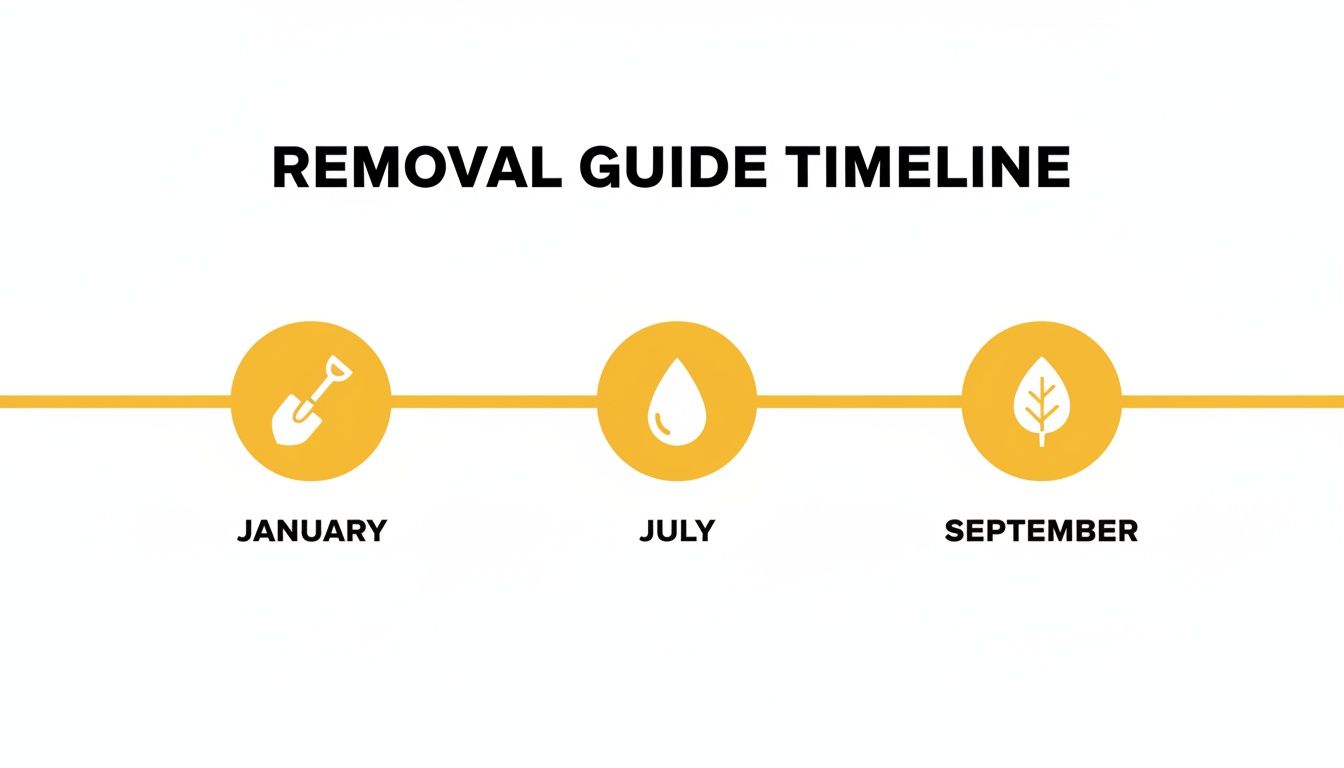
Timing removal to dodge the wettest months and capitalize on firm, dry ground pays off in safety, cost savings, and environmental health. Follow these tips to pick the best time of year for a smoother, cleaner project today.
Obtaining Permits And Ensuring Safety
Before you swing an axe or call in heavy machinery in Central Florida, locking down the right permits and safety measures is non-negotiable. This step keeps you in line with state and county rules—and it protects everyone on site.
At the state level, most applications must be in 30 days before any work begins. County offices typically want a detailed site plan and proof of erosion control before granting approval.
State Environmental Impact Assessment: maps site contours and removal strategy
County Tree Removal Permit: outlines application deadlines and inspection checkpoints
Endangered Species Clearance: confirms you won’t disturb herons, woodpeckers, or other protected wildlife
On top of that, you must meet EPA standards for erosion control. Installing silt fences, turbidity barriers and slope-stabilizing mats keeps soil in place and waterways clear.
Installing Erosion Controls
Think of erosion like water rushing down a bathtub: soil washes away and clogs streams. Silt fencing catches the larger clumps while letting water slip through. Turbidity barriers act like fine-mesh sponges, trapping the smallest particles.
Place silt fencing along the downhill perimeter, staking every 6 feet.
Secure turbidity barriers at waterway entry points.
Lay erosion mats on slopes steeper than a 3:1 ratio for extra stability.
These tactics can cut sediment by 85%, helping you breeze through regulatory checks and protect local waterways.
Protecting Wildlife And Bystanders
If you plan any tree work between March and July, watch out for nesting birds. Cutting during nesting season can trigger fines up to $10,000.
“Early consultation with wildlife experts saved us five weeks of delays,” notes veteran arborist Claire Meadows.
Worker safety isn’t up for debate either. Hard hats, high-visibility vests and eye protection come standard. Plus, a quick equipment check each morning and a run-through of emergency exits keeps everyone alert.
Safety Measure | Purpose | Frequency |
|---|---|---|
Gear Inspection | Identify defects | Daily |
Emergency Drill | Prepare for accidents | Monthly |
Site Assessment | Spot hazards | Before Work |
Think of these protocols as your seatbelt on the job: a simple layer of protection that wards off big headaches.
For a deeper dive into every step of Central Florida land clearing, check out our expert guide to land clearing.
Before any saw blade spins, walk the slope and flood zones to flag weak spots that could slip or erode.
Map out underground utilities and measure distances to buildings so your equipment zones stay clear.
Round out your prep by listing local emergency contacts, setting a muster point and drilling your crew on rescue protocols.
Keep every assessment on file—site surveys, permit approvals and safety checklists—so you can retrieve them in a flash.
Finally, archive all permits and inspection reports in a secure digital folder or binder. That way, audits become another checkbox instead of a scramble.
Post Removal Treatment And Cost Planning
When the last wood chip flies off the truck, the job isn’t quite over. Proper post-removal care keeps your soil happy and your budget on track.
Think of herbicide like a carefully measured dose of medicine. Apply the right amount at the right time, and you stop unwanted sprouts without harming the rest of your landscape.
Mulching Depths And Turnaround Times
Mulch acts like a protective blanket for freshly disturbed soil—tuck it in right, and recovery happens faster.
2 inches on level ground locks in moisture and fights off weeds.
4 inches on slopes stands up to heavy rains and stops erosion.
6 inches around equipment paths cushions gear traffic and prevents compaction.
Last fall, a homeowner laid 4 inches of wood-chip mulch and saw 25% fewer erosion rills after a week of storms. That simple tweak delayed follow-up grading by two weeks.
“Mulch is your first layer of defense,” says site manager Carla Reyes. “It regulates soil temperature and helps seeds sprout uniformly.”
Stump Grinding And Herbicide Application
Grinding a stump down about 6 inches below grade kickstarts natural root decay. Follow up with surface herbicide within 7 days to keep new shoots at bay.
Check out our guide on stump grinding vs stump removal for deeper insights.
Target treatments when temperatures hover between 50°F–80°F for best absorption.
Use a brush applicator to hit fresh shoots and minimize drift.
Reapply 6 weeks later to catch any stubborn regrowth.
Chemical treatments work much like a course of antibiotics—miss a dose, and the problem comes roaring back.
Method | Cost Per Unit | Turnaround Time | Environmental Impact |
|---|---|---|---|
Mulching | $30 per cubic yard | 1–2 days | Low |
Stump Grinding | $150 per stump | 1 day | Medium |
Herbicide Application | $20 per treatment | 1–2 weeks | Variable |
Seeing these numbers side by side helps you choose the right fit for your site and species.
Comparing Post Removal Methods
No single approach suits every situation. Mulch is gentle but can hide early sprouts. Grinding is quick, yet root fragments remain. Herbicide is precise but demands strict timing.
Keep these pointers in mind:
Reserve mulch when erosion risk is low.
Pair grinding and herbicide on species with aggressive roots.
Keep chemicals away from water features with proper buffer zones.
“The layered approach paid off,” reports landowner Sam Liu. “We saw minimal follow-up work and healthy soil recovery.”
Budget Breakdown And Negotiation Strategies
Final invoices often look like a jumble—equipment, labor, permits, travel fees all add up.
Cost components:
$120 / day equipment rental for chipper and grinder
$85 / hour labor per operator
$200 flat permit fee in most Central Florida counties
$1.50 / mile travel beyond a 20-mile radius
Seeing each line item gives you leverage. Ask for package deals on multi-day bookings or loyalty discounts if you have more work down the road.
Try these tactics:
Book in off-peak months like November for better rates.
Compare detailed bids from three contractors to spot markups.
Join local herbicide co-ops to cut chemical costs.
One savvy homeowner saved 15% by scheduling a second-phase clearing upfront.
Contractor Vetting And Ecological Assessment
Your contractor should be a partner, not just a vendor. Vet prospects with this quick checklist:
Confirm General Liability and Workers’ Compensation coverage.
Verify licensing and required permits.
Ask for case studies matching your species and soil.
Call references about budget and timeline adherence.
Environmental sensitivity matters. Require a pre-work survey to flag native understory and nesting zones.
“We always map out sensitive zones,” explains arborist Rene Ortiz.
Check county nesting calendars to avoid migratory bird conflicts.
Identify high-permeability soils that need extra erosion mats.
Blend in native seed mixes after grinding to speed recovery.
Partner with Palm State Clear Cut for a free quote and expert guidance on post removal treatment and cost planning.
Long Term Soil Stabilization And Regrowth Control
Stabilizing soil goes beyond a single mulch layer. Think of native ground covers as natural geotextiles locking your topsoil in place.
Plant deep-rooting grasses like vetiver to anchor the surface.
Incorporate compost or organic amendments to improve structure and drainage.
Monitor moisture levels weekly for the first three months.
A Central Florida homeowner saw visible erosion drop by 90% three months after adding vetiver grass.
Timeline To Follow:
Month 1: Mulch and erosion mat installation
Month 2: Broadcast native seeds
Month 3: Spot-treat any survivors
Month 6: Final assessment and reseed as needed
Check nutrient levels at Month 3 to adjust fertilizer. Schedule erosion inspections after heavy storms.
“Long-term success depends on proactive monitoring and quick adjustments,” says soil scientist Dr. Ellen Hughes.
This staged approach locks in your investment, prevents rutting, and keeps unwanted regrowth at bay.
Partner early with Palm State Clear Cut to schedule monitoring visits and fine-tune your plan. Reach out now for a free quote and expert post-removal planning in Central Florida.
To wrap up, map out your methods and schedule before signing any contract. Get every rate, tool specification, and follow-up date in writing to dodge surprise charges. Let Palm State Clear Cut guide you from stump to seedling—contact us today to safeguard your investment for years to come.
Frequently Asked Questions
When Is The Best Time To Remove Trees?
Most professionals agree that late winter to early spring (Feb–Mar) is ideal. The ground firms up, trees are dormant, and equipment moves more smoothly.
You can also consider October–November, right after leaf drop. The absence of foliage makes the job cleaner and faster.
How Can You Tell If A Tree Needs Removal?
Look for deep cracks running up the trunk or split limbs hanging awkwardly. Root heaving—where roots push the soil up—also signals instability.
If you spot these warning signs, bring in a certified arborist. Their trained eye will determine whether removal is truly necessary.
Which Bird Nesting Seasons Should You Avoid?
Most migratory birds nest between April and July, and regulations often mandate surveys during this period. If active nests are found, work can’t start until the chicks have fledged.
Planning around these dates keeps you compliant and protects local wildlife.
Cost Expectations And Contractor Comparisons
Here’s a quick breakdown:
Average tree removal: $500–$1,200 (size and species–dependent)
Stump grinding: $150–$350 per stump
"Booking in dormancy season can save up to 25% on labor," says local arborist Claire Meadows.
To find the right contractor:
Request three detailed quotes.
Verify insurance, licenses, and testimonials.
Compare project timelines and erosion-control plans.
Which Permits Apply?Most Florida counties require a standard tree removal permit with a basic site sketch. Removing mangroves or other protected species triggers additional state-level clearance.
Best Practices To Ensure Success
Conduct a stability survey in the dry season when the soil is least workable.
Install silt fencing to meet EPA erosion-control guidelines.
Apply herbicide within 7 days of stump grinding to prevent resprouting.
Keep an eye on the forecast—rain can halt work and damage soils.
What To Expect On Removal Day
Crews arrive early, review the plan with you, and establish safety zones.
Heavy equipment fells trees, sections logs, and chips branches.
Stump grinding kicks off immediately after the main removal.
Finally, the team hauls debris, spreads mulch, and inspects erosion controls.
For a free quote and expert scheduling advice, contact Palm State Clear Cut at Palm State Clear Cut.
Comments